

Blog
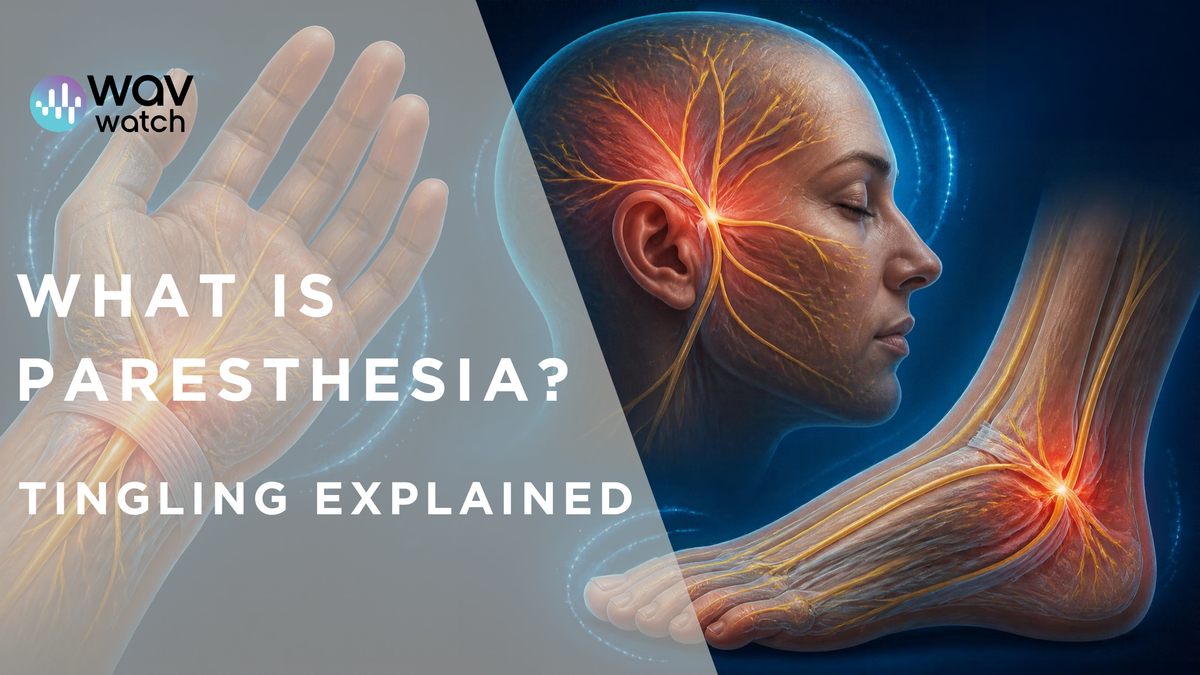
What Is Paresthesia: Disease or Symptom? Tingling Explained
What Is Paresthesia: Disease or Symptom?
Your foot falls asleep during a lengthy meeting. Your hands prickle when you wake up. Perhaps an unusual tingling appears on your skin and simply refuses to disappear.
That sensation has a name. Understanding it can bring genuine peace of mind. Most of the time, it is a temporary and harmless signal from your nerves. Occasionally, though, it is your body requesting closer attention.
Paresthesia disease is a common search, but paresthesia is a symptom, not a disease. It describes tingling, prickling, or pins-and-needles sensations. It frequently begins with pressure on a nerve. Most episodes disappear within minutes. Persistent or recurring tingling may indicate an underlying cause worth investigating.
Do You Get Natural Help for Neuropathy?
Natural Remedies for Neuropathy: Gentle Daily Relief
It may begin as a faint tingling in your toes at bedtime. Gradually, it can intensify into burning, numbness, or sudden electric sensations.
If this sounds familiar, you are not imagining it. You are certainly not alone, either. Many adults experience nerve discomfort that disrupts sleep, balance, and everyday activities.
The encouraging news is that consistent daily habits can make a genuine difference. Many people look for natural options alongside their medical care. That is a sensible place to begin.
Struggling with Stomach Woes During Menopause? Find Relief!
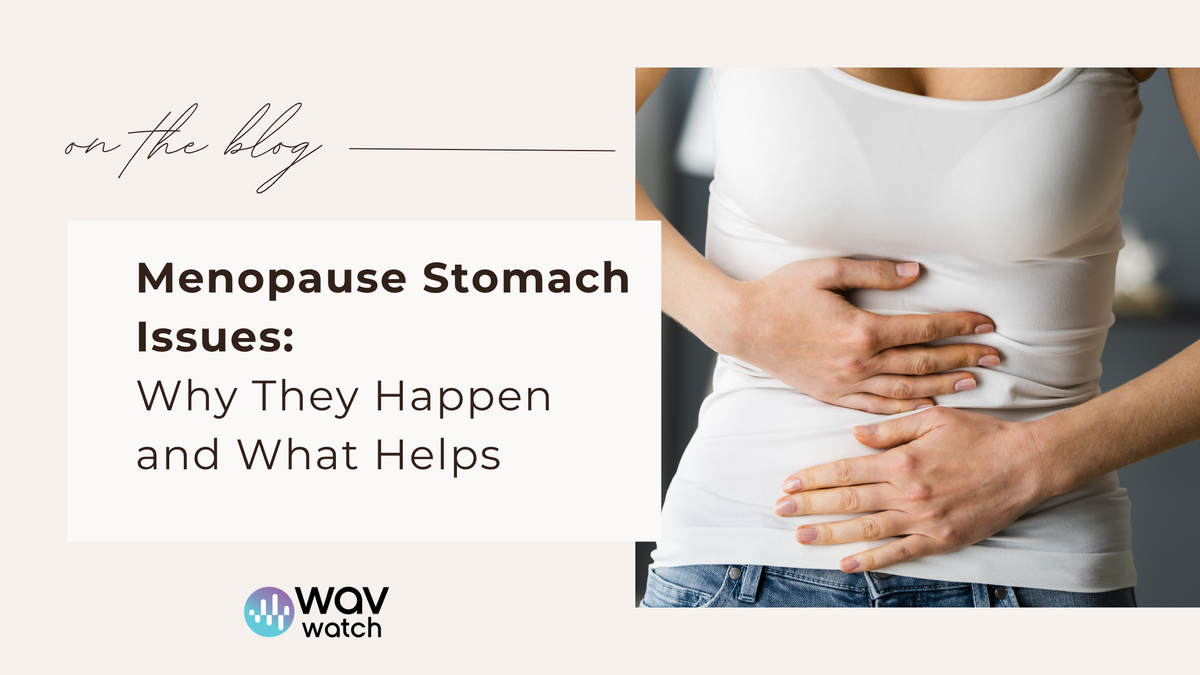
Menopause Stomach Issues: Why They Happen and What Helps
If your stomach has become unpredictable during menopause, you're not imagining it. Bloating, gas, constipation, and heartburn are common concerns women share with me. They often come with hot flashes and restless sleep.
These digestive changes often arrive with other unexpected symptoms, such as menopause skin rashes and menopause fatigue. When several symptoms accumulate at once, they can gradually erode your comfort and your quality of life.
The good news is that menopause stomach issues often have a clear cause. Practical strategies can truly help. Let's explore what's happening inside your body and what you can realistically do.

Hot Flash Remedies: How to Stop Hot Flashes Naturally
Natural Remedies for Hot Flashes
If you have ever felt a sudden wave of heat rise up your chest and neck, you know how a hot flash can disrupt you. It doesn't request permission. It simply arrives.
You're not imagining it, and you're not alone. Countless women experience hot flashes, whether from menopause, perimenopause, or another cause entirely.
Fortunately, you don't have to just endure them. Genuine natural remedies for hot flashes can help you feel more in command, starting tonight.
Hot Flashes After Menopause: A Natural Path to Relief
Hot Flashes After Menopause: A Natural Path to Relief
Wait... Hot Flashes After Menopause?
If you thought menopausal symptoms, like hot flashes, would disappear after menopause, you’re not alone.
But as it turns out, many women continue experiencing hot flashes after menopause. Some notice them for years longer than they expected.
I'm Linda Bamber, inventor of the WAVwatch and a passionate advocate for natural wellness.
I’ve been in that exact place. I recall waking up, drenched in sweat, with the sheets thrown aside. This happened years after I thought that chapter was over.
Menopause may end, but for many of us, the night sweats and sudden heat surges like to linger.
Menopause and Joint Pain: Gentle Ways to Find Ease
Menopause and Joint Pain: Causes, Relief, and Comfort Tips
You used to get out of bed without a second thought. Now your knees ache before your feet even hit the floor, and standing up from a chair sometimes takes a moment longer than it used to.
If that sounds familiar, you're not imagining it. Joint pain is one of the most common — and most under-discussed — symptoms of the menopause transition.
It’s also why many women start looking for anything that might help. They may try diet changes or healing frequencies. This often happens before they link the ache to menopause.
Menopause Timeline: Stages, Ages and How Long It Lasts
Menopause Timeline: How Long Does Menopause Really Last?
When will this actually be over? If you've asked yourself that more than once, you're not alone. It's one of the first questions almost every woman brings to me.
There's no single finish line here, and I wish I could hand you one. What I can offer instead is the real timeline.
This guide walks through what's happening at each stage, how long it usually lasts, and where you likely stand right now. That alone tends to make this whole transition feel less overwhelming.
How long does menopause last? Premenopause can span decades before any transition begins. Perimenopause typically runs four to eight years. Menopause itself is a single point in time, not a time period. Many symptoms then continue for several more years into postmenopause.

Why Am I Feeling Cold and Hot At The Same Time?
Have You Ever Felt Hot and Cold at the Same Time?
One moment, I was reaching up to switch on a fan. The next, I was tugging a blanket snugly around my shoulders, unable to stop trembling.
I wasn't sick, and menopause wasn't responsible either. Why did I have a hot and cold feeling at the same time?
It turns out I wasn't imagining it, and I certainly wasn't alone. Many people feel this same confusing mix of symptoms—flushed cheeks with cold hands.
A sudden wave of sweat may come next. Then shivering follows, as if the body can’t decide if it’s hot or cold.
Those mixed signals often happen when your body's temperature regulation system is under pressure. For some women, these changes may even begin during early pregnancy, long before a baby bump appears.
Is Vertigo Permanent? Vertigo Causes, Symptoms, And Treatments
What Is Vertigo? Causes, Symptoms, and Treatment
One moment you’re moving along as usual. The next, it feels like the whole room is spinning. You may reach for a wall, lose your balance, or feel so nauseated that standing becomes difficult. Even a simple movement, such as turning over in bed or looking up, can trigger another episode.
Experiences like these can be frightening. Many people worry they have suffered a stroke or developed a serious nervous system problem. Others wonder whether the feeling will disappear on its own or keep coming back.
In many cases, the cause lies within the body's balance system. Tiny structures inside the inner ear work constantly with your eyes, muscles, and brain to keep you steady. Your brain receives conflicting signals and struggles to determine where your body is in space.
The result is a powerful sensation of movement, even though nothing around you is actually moving.