

Blog
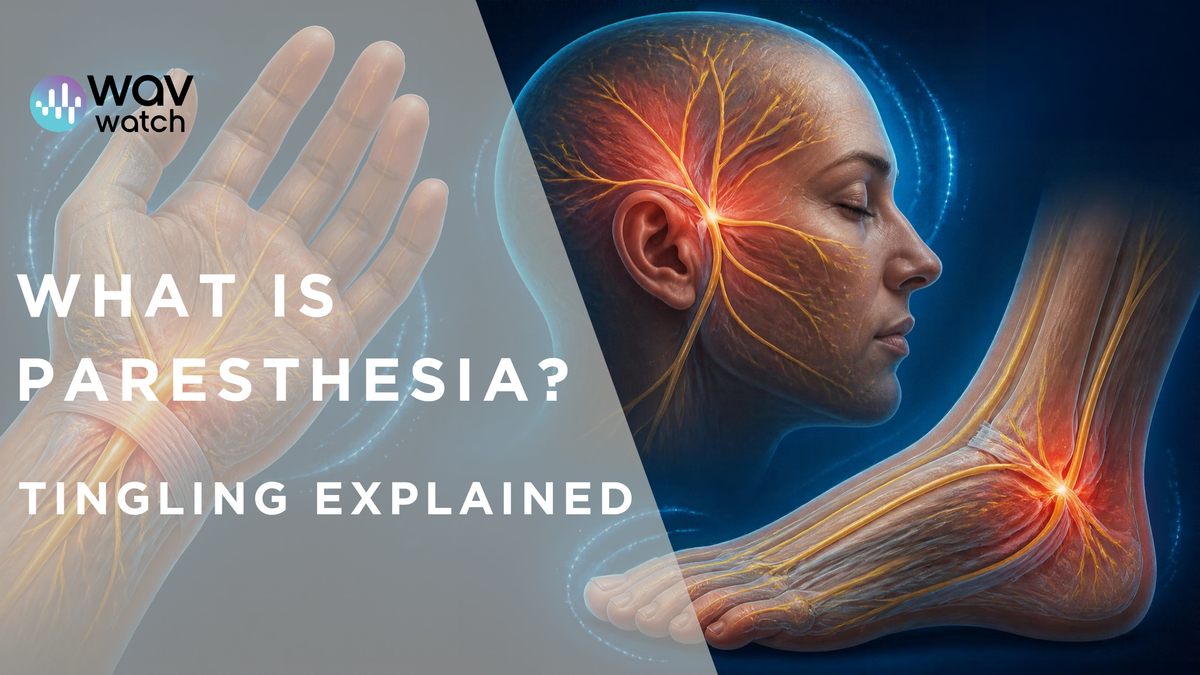
What Is Paresthesia: Disease or Symptom? Tingling Explained
What Is Paresthesia: Disease or Symptom?
Your foot falls asleep during a lengthy meeting. Your hands prickle when you wake up. Perhaps an unusual tingling appears on your skin and simply refuses to disappear.
That sensation has a name. Understanding it can bring genuine peace of mind. Most of the time, it is a temporary and harmless signal from your nerves. Occasionally, though, it is your body requesting closer attention.
Paresthesia disease is a common search, but paresthesia is a symptom, not a disease. It describes tingling, prickling, or pins-and-needles sensations. It frequently begins with pressure on a nerve. Most episodes disappear within minutes. Persistent or recurring tingling may indicate an underlying cause worth investigating.

Struggling with Stomach Woes During Menopause? Find Relief!
Menopause Stomach Issues: Why They Happen and What Helps
If your stomach has become unpredictable during menopause, you're not imagining it. Bloating, gas, constipation, and heartburn are common concerns women share with me. They often come with hot flashes and restless sleep.
These digestive changes often arrive with other unexpected symptoms, such as menopause skin rashes and menopause fatigue. When several symptoms accumulate at once, they can gradually erode your comfort and your quality of life.
The good news is that menopause stomach issues often have a clear cause. Practical strategies can truly help. Let's explore what's happening inside your body and what you can realistically do.
Menopause and Joint Pain: Gentle Ways to Find Ease
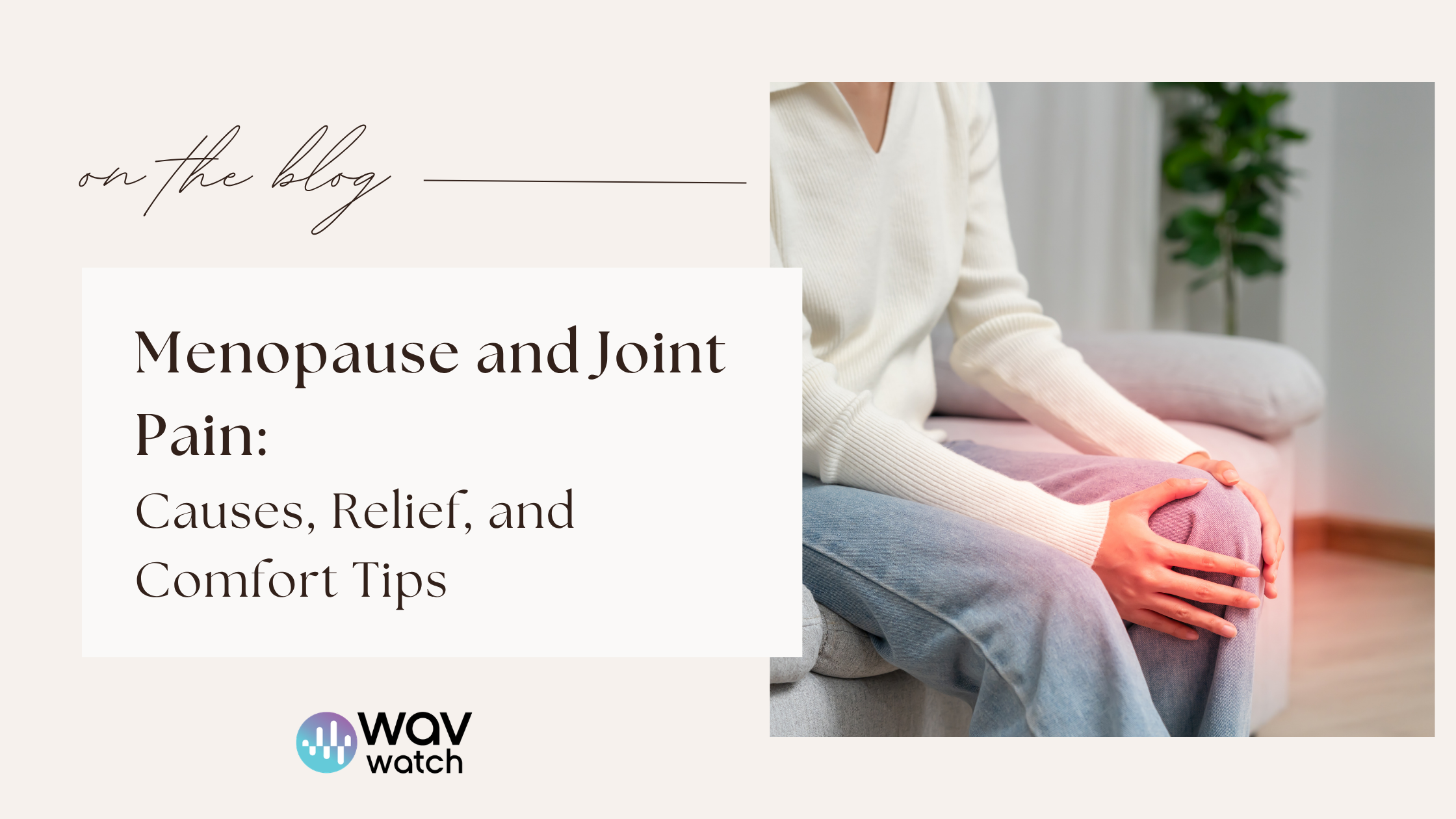
Menopause and Joint Pain: Causes, Relief, and Comfort Tips
You used to get out of bed without a second thought. Now your knees ache before your feet even hit the floor, and standing up from a chair sometimes takes a moment longer than it used to.
If that sounds familiar, you're not imagining it. Joint pain is one of the most common — and most under-discussed — symptoms of the menopause transition.
It’s also why many women start looking for anything that might help. They may try diet changes or healing frequencies. This often happens before they link the ache to menopause.

Why Do My Ears Pop When I Swallow?
Why Do My Ears Pop When I Swallow?
Have you ever swallowed and felt your ears pop? It might occur while you’re eating, flying, driving through the mountains, or recovering from a mild head cold.
For most people, it is a normal sensation. If your ears repeatedly pop or feel plugged up, you might question the cause. You might also wonder whether you should worry about it.
In many cases, ear popping is simply your body's way of balancing air pressure inside the middle ear. However, frequent popping, discomfort, or hearing changes may point to a problem.
Possible causes include allergies, congestion, an ear infection, or eustachian tube dysfunction. Understanding why it happens can help you ease pressure safely. It can also help you know when to seek medical advice.
If you also hear ringing or buzzing, or feel fullness in your ears, learn about common tinnitus causes.
Sound Sensitivity and Hyperacusis
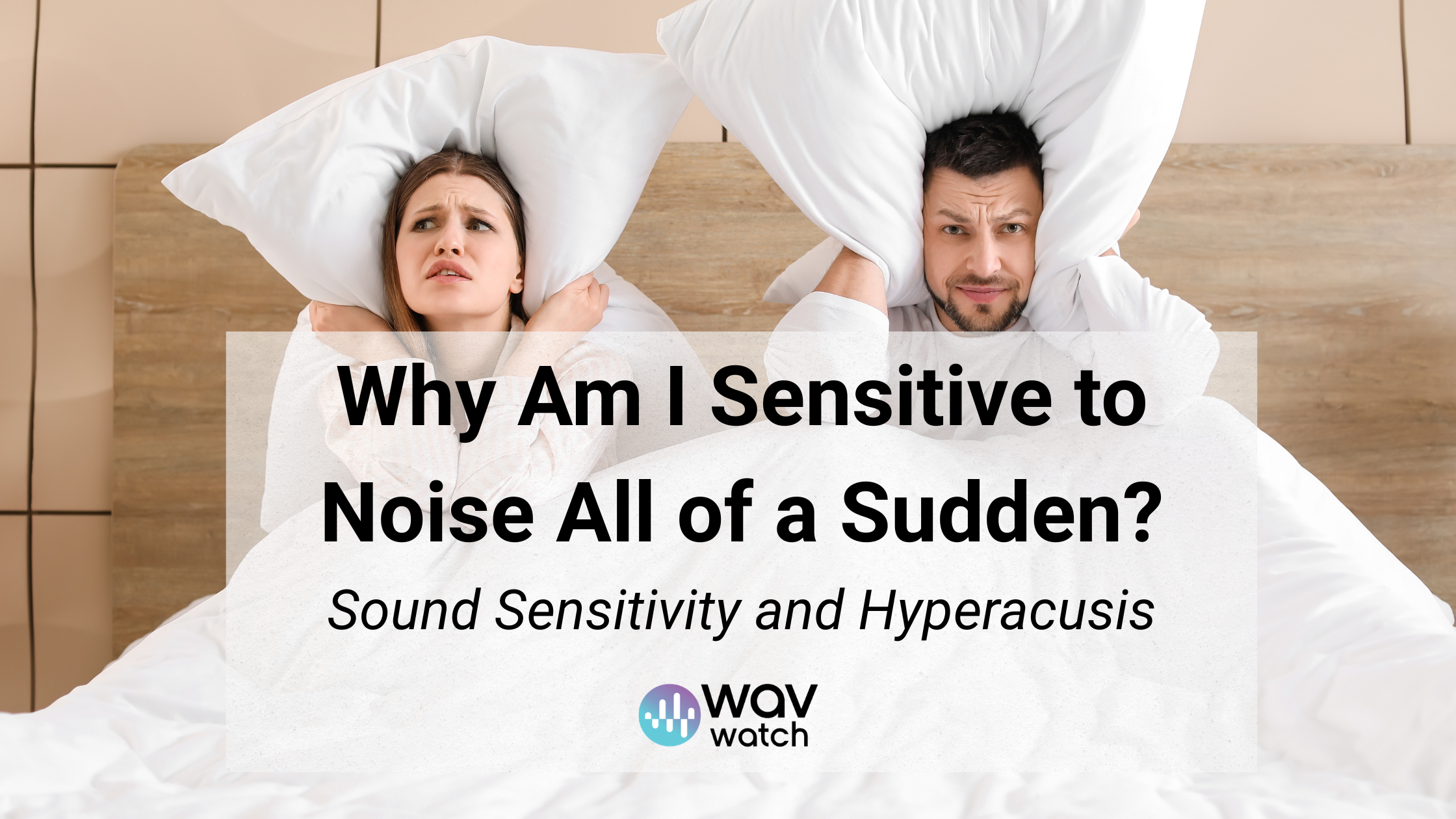
Why Am I Sensitive to Noise All of a Sudden?
Suddenly becoming sensitive to sound can feel confusing and exhausting. Ordinary noises that never bothered you before may now feel sharp, overwhelming, irritating, or impossible to ignore.
Some people notice it after stress, burnout, illness, poor sleep, loud noise exposure, or long periods of nervous system strain.
Some react strongly to clanging dishes, traffic, crowds, loud TV, barking dogs, or many conversations at once.
In some cases, this experience relates to hyperacusis, a condition involving increased sensitivity to everyday sound. However, sound sensitivity is not always only about the ears.
The nervous system, stress response, hearing pathways, mental fatigue, and sensory processing may affect how sound feels. They may also affect how strongly the brain reacts to it.
Pulsatile Tinnitus: Causes, Symptoms and Treatment
Do you notice a steady pulsing, rushing, or rhythmic noise in your ear that appears to sync with your heartbeat? Many people describe pulsatile tinnitus as a sound that feels different from regular ringing in the ears.
Unlike common tinnitus, this rhythmic sound often follows a steady pattern. Some people notice it more at night, during stress, or when lying down quietly.
Pulsatile tinnitus can have several possible causes. Changes in blood flow, circulation, blood pressure, stress, and tension may all play a role. In certain situations, the noise is not harmful. In other situations, it deserves medical attention.
Many people notice the pulsing sound in one ear only, although it can affect both ears in some situations. The good news is that many causes are manageable once properly identified.
Understanding symptoms and possible triggers is often the first step to feeling less anxious. It can also help you feel more in control of your quality of life.
Why You Feel Tired All the Time: Hormone Imbalance Fatigue
Many of the people I speak with don’t begin by describing a hormone issue. They describe a persistent sense of fatigue instead.
This type of tiredness does not follow a long day or resolve with rest. It lingers, affects concentration, and can make even simple tasks feel more demanding than they should.
Over time, I’ve noticed a clear pattern. When fatigue feels constant and difficult to explain, hormones often play a role. In many cases, this reflects disruptions in systems that regulate energy, including cortisol, thyroid function, and blood sugar balance.
Understanding how these systems work together is an important first step. It helps you move beyond just feeling tired and start supporting your energy in a more informed way.
When fatigue feels constant and difficult to explain, it often connects to hormonal imbalance.

Are Sound Frequencies Safe to Use Daily?
Sounds And Frequencies That Heal The Body
Sound is all around us — from birdsong in nature to the hum of electronics at night. When we use certain sound frequencies for healing and wellness, people often ask if they are safe to use every day.
The answer is yes. Sound wave frequencies can be a gentle and safe part of your wellness routine. They can help with sleep, manage stress, and promote overall balance.
In this article, we will explain sound frequencies to promote healing. We will discuss how people have used them for thousands of years.
We will also look at research on their safety and effects. Finally, we will show how to use them in daily life without side effects.
Sound Frequency for Sleep: A Calmer Path to Deep Rest
Sound Wave Therapy for Sleep: A Gentler Way to Rest Deeply
Sleep has always felt deeply personal to me. When rest is hard to find, it’s not just tiredness.
Also present are frustration, tension, and a feeling that the body won’t relax completely. An increased heart rate can aggravate this.
Specific frequencies can have a calming effect, which leads to reduced stress. Frequency sound can also help with mental health and lowering elevated blood pressure because of anxiety or stress.
Over the years, I’ve learned that sleep isn’t something we can force. It’s something we support.
That’s where sound frequency for sleep comes in. Sound frequencies help the body relax. They gently support the nervous system in calming down, which makes it easier to sleep.
In this post, I will share how people use frequencies for sleep. I will explain what different Hz frequencies for sleep mean.
I will also discuss how sound-based methods can be part of a long-term natural nighttime routine without any side effects.