

Blog

Tinnitus and Silent Migraine: Causes and Therapy
Silent Migraine Symptoms and Ringing in the Ears
Ringing, buzzing, or hissing sounds in your ears can feel alarming. It may feel even more confusing when it happens with dizziness, ear pressure, or visual changes but no headache.
These experiences may be silent migraine symptoms. A silent migraine can cause many familiar migraine symptoms without the severe headache that people usually expect.
However, not everyone with ringing in the ears has a silent migraine. Tinnitus has many possible causes, so it's important to understand what else may be contributing to your symptoms.
My guide to Ringing in the Ears: Causes and Natural Support explains the most common causes and when to seek medical care.

How To Get Rid of the Cricket Sound In-Ear Naturally
What Does It Mean When You Hear Cricket Sounds?
Hearing crickets when no insects are present can feel both confusing and frustrating. Although ringing is the sound most commonly associated with tinnitus, some people hear chirping that resembles crickets.
While this type of sound may seem unusual, it is simply one of the many ways tinnitus can present itself. The chirping may come and go, or it may become persistent and distracting.
Some people hear the sound in only one ear, while others hear it in both ears. The experience varies from person to person.
The sound itself does not always indicate a serious problem. However, it may reflect changes in the way the brain and hearing system process sound.
Tinnitus and Sinus: Can Pressure Affect Ear Ringing?
Ear pressure, congestion, and ringing often happen together. Blocked sinuses can leave you wondering why your ears are ringing.
I often hear from people who say ringing gets louder during a cold, allergy season, or a sinus infection. Others describe a feeling of fullness in the ears, muffled hearing, or difficulty clearing pressure.
That experience can feel confusing, especially when the ringing appears suddenly or seems worse than usual.
Sinus congestion and ear ringing may occur together because the ears, nose, throat, and surrounding passages connect closely. In some cases, sinus pressure, swelling, allergies, or infections can affect the Eustachian tubes.
TMJ and Tinnitus: Why Your Jaw May Affect Ear Ringing
Jaw tension can affect much more than your mouth or facial muscles. For some people, it may also affect pressure around the ears, sound sensitivity, and even tinnitus.
One of the most frustrating parts is noticing that the ringing changes with movement.
The sound may become louder when:
- Clenching the jaw
- Chewing
- Turning the neck
- Pressing near the jaw joint
- Waking up with facial tension
- Grinding teeth during sleep
People often link this experience to TMJ and tinnitus. It can also be a movement-related ringing called somatic tinnitus.
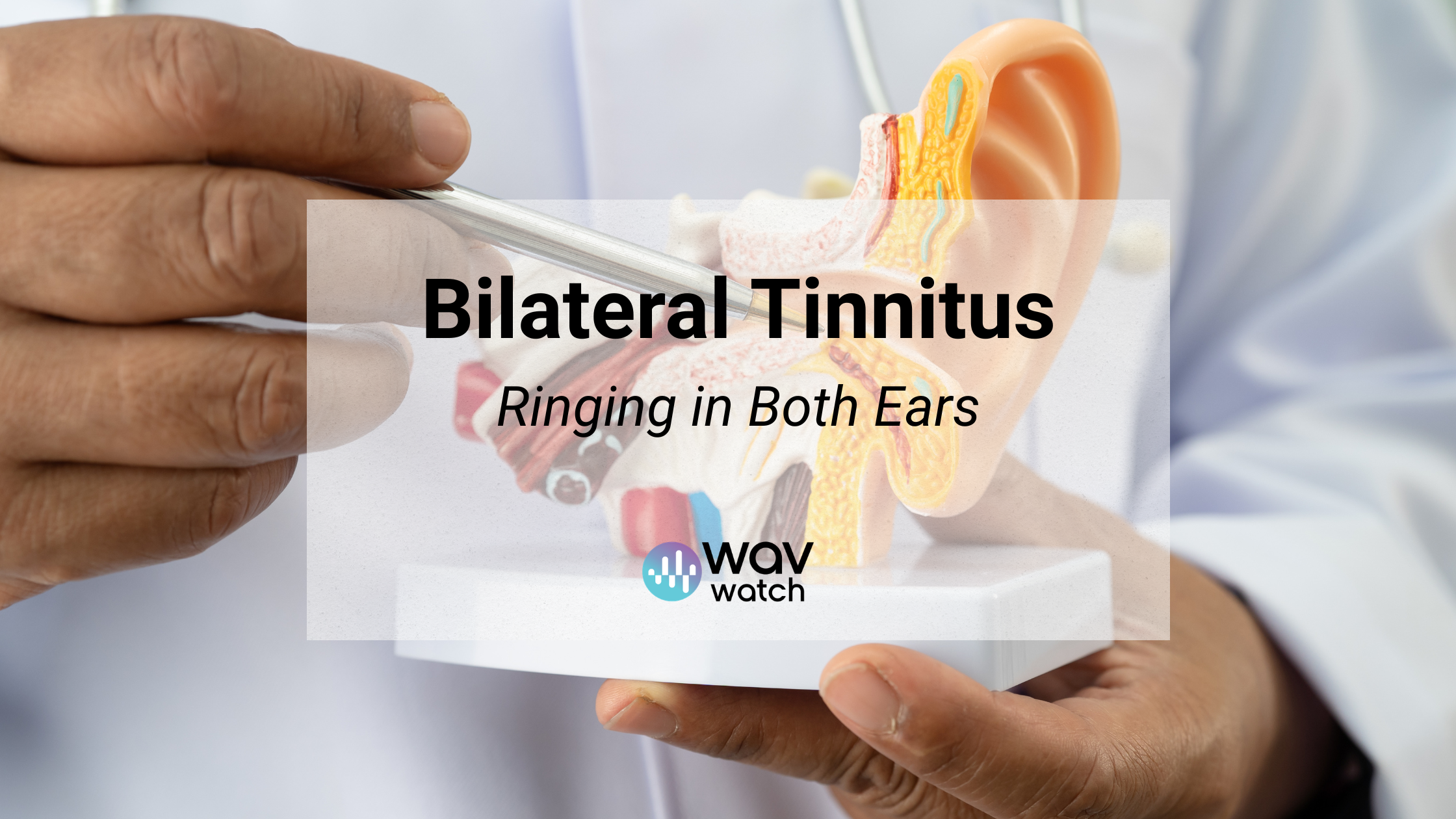
Ringing In Both Ears: Causes and Support
Bilateral Tinnitus: Ringing in Both Ears
Ringing in both ears can feel mentally draining because the sound does not stay on one side. It can follow you through work, rest, conversations, quiet rooms, and sleep.
Some people hear a soft hum, others notice buzzing, hissing, static, or a high-pitched tone that seems to fill the whole listening space.
Bilateral tinnitus means tinnitus affects both ears. It may develop slowly over time. It can also become more noticeable during stress, poor sleep, illness, hearing strain, or sound overload.
Common symptoms include:
- Ringing in both ears
- Buzzing or humming
- High-pitched tones
- Static-like noise
- Sound that feels stronger in quiet rooms
This type of tinnitus often feels different from one-sided tinnitus because there may be no “quiet side” for the brain to shift toward. That can make the experience feel more constant, immersive, and emotionally tiring.
Unilateral Tinnitus: Ringing In One Ear
Unilateral Tinnitus: Ringing in One Ear Explained
Do you notice ringing, humming, buzzing, or other noises in just one ear? Many people find this especially stressful because the sound feels stronger and more focused on one side.
Unilateral (one-sided) tinnitus is the term used when tinnitus affects only one ear. Some people notice the sound suddenly, while others experience it gradually over time.
The sound may come and go, or it may stay consistent throughout the day, which can affect the quality of life.
Many people describe:
- Ringing in one ear
- Buzzing in one ear
- Humming sounds
- High-pitched tones
- Sudden ringing in one ear
In many cases, the cause is manageable once properly evaluated. Stress, sound exposure, sinus pressure, jaw tension, sleep problems, and hearing changes may all contribute to symptoms.

Pulsatile Tinnitus: Causes, Symptoms and Treatment
Do you notice a steady pulsing, rushing, or rhythmic noise in your ear that appears to sync with your heartbeat? Many people describe pulsatile tinnitus as a sound that feels different from regular ringing in the ears.
Unlike common tinnitus, this rhythmic sound often follows a steady pattern. Some people notice it more at night, during stress, or when lying down quietly.
Pulsatile tinnitus can have several possible causes. Changes in blood flow, circulation, blood pressure, stress, and tension may all play a role. In certain situations, the noise is not harmful. In other situations, it deserves medical attention.
Many people notice the pulsing sound in one ear only, although it can affect both ears in some situations. The good news is that many causes are manageable once properly identified.
Understanding symptoms and possible triggers is often the first step to feeling less anxious. It can also help you feel more in control of your quality of life.
Can Anxiety Cause Tinnitus? Why Ringing Feels Worse
Do you sometimes notice the ringing in your ears becoming louder when you feel anxious or overwhelmed? Many people experience tinnitus symptoms, especially during periods of ongoing stress or emotional tension.
The link between anxiety and tinnitus can feel frustrating. The sound often feels louder when your body is under stress, which can affect the quality of life.
Anxiety affects much more than emotions alone. It can change how your nervous system responds to sound, awareness, sleep, and tension throughout the body. This is one reason tinnitus and anxiety often closely connect.
I’ve noticed many people talk about this cycle. Anxiety raises tension and alertness. The ringing is more difficult to ignore. This added frustration creates even more anxiety.
Over time, this can turn into a difficult pattern and health conditions that affects sleep, concentration, and emotional balance.
Can Stress Cause Tinnitus? Why It Gets Worse
Can Stress Cause Tinnitus? Why It Feels Worse
If you’ve observed the ringing in your ears increasing when you’re under stress, it’s not just in your head. I’ve noticed this occurring again and again. It can feel frustrating when the sound suddenly gets louder for no clear reason.
Stress affects more than just how we feel emotionally. It can affect how the brain processes sound, how the body reacts to tension, and how aware we are of inner sensations.
Can stress cause tinnitus?
Yes, stress may play a role in tinnitus. It can also make existing ringing more noticeable. This happens because stress makes your brain focus more on internal sound. When your nervous system is more active, this heightened attention can make the ringing feel louder or more persistent over time.
Understanding this connection is the first step toward reducing how much the sound affects your daily life.