

Blog
Can Anxiety Cause Tinnitus? Why Ringing Feels Worse
Do you sometimes notice the ringing in your ears becoming louder when you feel anxious or overwhelmed? Many people experience tinnitus symptoms, especially during periods of ongoing stress or emotional tension.
The link between anxiety and tinnitus can feel frustrating. The sound often feels louder when your body is under stress, which can affect the quality of life.
Anxiety affects much more than emotions alone. It can change how your nervous system responds to sound, awareness, sleep, and tension throughout the body. This is one reason tinnitus and anxiety often closely connect.
I’ve noticed many people talk about this cycle. Anxiety raises tension and alertness. The ringing is more difficult to ignore. This added frustration creates even more anxiety.
Over time, this can turn into a difficult pattern and health conditions that affects sleep, concentration, and emotional balance.

Crippling Anxiety: Breaking Free from Dread's Tight Grip
Crippling anxiety doesn’t feel mild or occasional. It feels consuming.
Tasks that once felt simple can suddenly feel impossible. Conversations, decisions, and even leaving the house may require more energy than you have.
When anxiety becomes debilitating, it often goes beyond nervousness or temporary stress. It can interfere with daily life, relationships, work, and basic functioning.
Many people describe it as feeling trapped inside their own mind while their body remains on constant alert.
I understand how heavy that experience can be. Anxiety taught me that what feels like weakness is often a nervous system pushed beyond its limits.
Anxiety in Women: Why It Feels Different Over Time
Anxiety in Women: How Symptoms Evolve Through Life
Anxiety in women often appears in the body before it ever reaches the mind. Tightness in the chest, temperature changes, restless sleep, racing thoughts, morning anxiety, and feeling hot and cold at the same time are common issues.
Many people do not realize that these symptoms are more frequent in women and they feel confused by their symptoms. This is especially true when anxiety changes during midlife.
Many people find a close connection between menopause and anxiety, but this conversation goes beyond hormone levels alone.
Anxiety in women can change as they age, deal with stress, and have different nervous system sensitivities. It needs a kinder and deeper understanding.
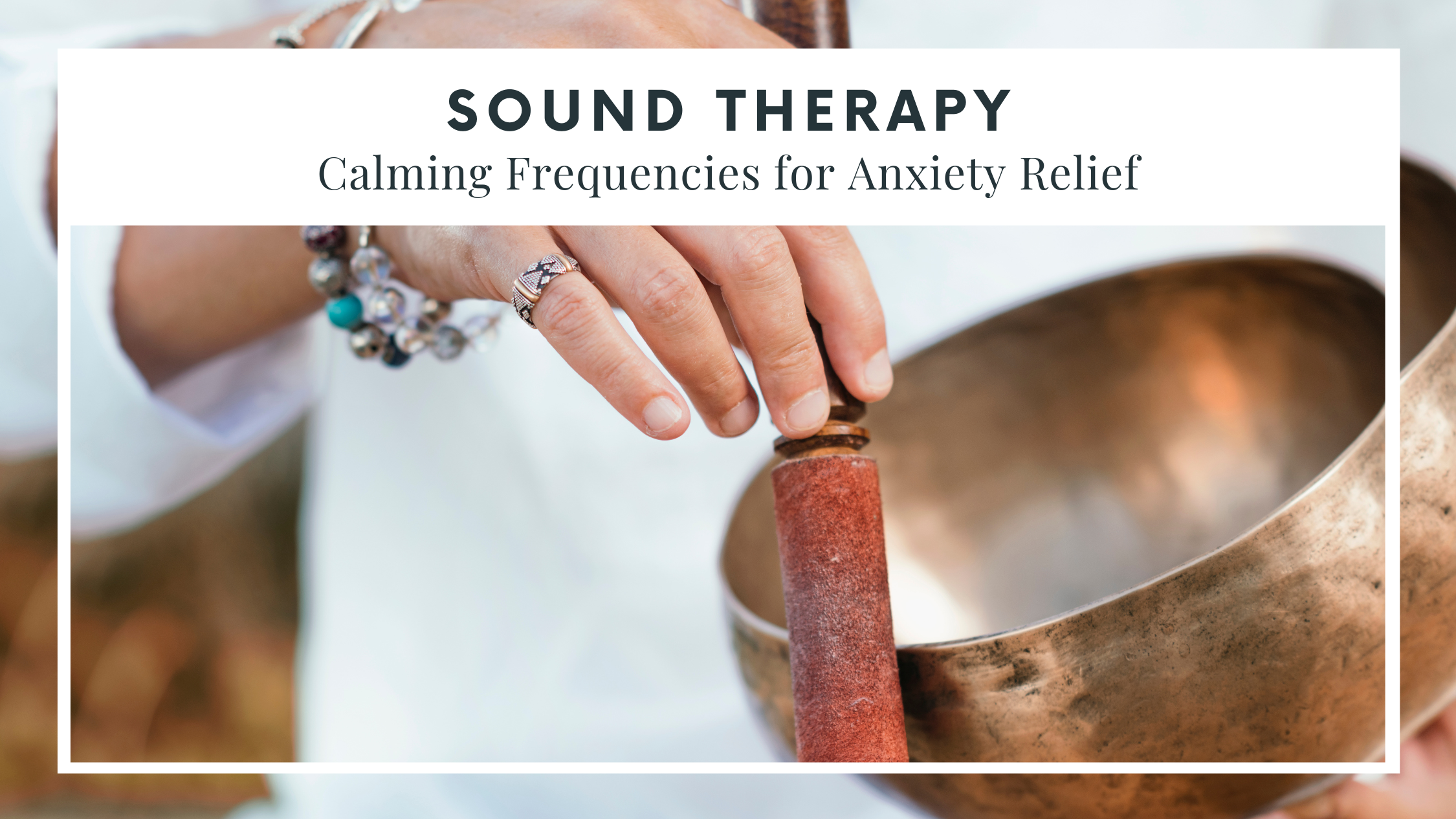
Sound Therapy: Calming Frequencies for Anxiety Relief
Natural Anxiety Relief with Wearable Technology
Anxiety doesn't necessarily originate only in the mind. I've observed it appears in the body initially.
- You may experience tense shoulders, rapid heartbeat, or shallow breaths.
- You might also experience restlessness, which can hinder nighttime relaxation.
- Emotions may fluctuate.
When overstimulation affects your nervous system, it constantly scans for danger, even when you feel safe.
Many people are now using sound frequencies for anxiety in their natural wellness routines.
Not as a cure, and not as a replacement for medical care—but as a gentle way to support calm and balance.
In this guide, I will explain how people use this sound frequency chart for anxiety. I will also discuss their connection to sleep. Finally, I will share safe and realistic ways to use them.

Natural Anxiety Relief for Night Anxiety and Exhaustion
Night anxiety doesn’t always arrive as a sudden panic attack. For many people, it builds slowly as the day winds down.
Once distractions fade and the room grows quiet, worries can feel louder and more persistent.
If anxiety consistently feels worse before bed — even without a sudden surge of panic — you may be experiencing a pattern of nighttime anxiety.
Understanding why this happens can help you calm your nervous system and break the exhaustion cycle with anxiety therapy.
Natural Anxiety Relief for Calmer Breathing and Better Sleep
If you've ever experienced difficulty breathing or a rapid heartbeat during sleep due to anxiety, rest assured.
It's not merely a figment of your imagination. I’ve heard these same concerns shared again and again over the years, and you’re not alone in experiencing them.
Many people come to me worried that something is wrong with their heart or lungs. They describe sudden breathlessness, fluttering in the chest, or a fast pulse that appears the moment they lie down.
What I’ve learned from years of listening and watching is that anxiety often appears in the body first. This happens before the mind fully understands what is going on.
Let's discuss why this happens and how gentle, natural ways to relieve anxiety can help the body feel calm again.
Anxiety and Blood Pressure: Why Your Body Feels on Edge
People often ask whether anxiety and blood pressure relate to each other. The short answer is yes.
The longer answer is that anxiety affects the nervous system, and the nervous system controls blood pressure.
When you experience anxiety, the body moves into a stress response:
- The heart beats faster
- The muscles tighten
- Breathing becomes shallow
All this can push blood pressure higher, sometimes suddenly.
This doesn’t mean anxiety automatically causes long-term health problems. But it does mean that unmanaged anxiety can place extra strain on the body.
Anxiety and Acid Reflux: Understanding the Gut–Stress Link
I’ve seen many people experience anxiety that begins in the stomach rather than in the mind. When your nerves tighten, it can feel like your entire digestive system locks up with it.
If you have ever wondered why you get an upset stomach, pain, or acid reflux when stressed, you are not alone.
Anxiety doesn’t just affect our thoughts — it affects our entire body and quality of life.
Today, I want to explain how anxiety links to stomach problems. I will discuss why this happens and share natural ways people use to feel better.
I have spent years helping people with stress, digestion, and emotional wellness. I know how important it is to feel understood and to have real solutions.

How To Calm Dog Anxiety Naturally: Sound Relief That Works
Anxiety Therapy for Dogs
Our pets are part of our family. When they show signs of anxiety, like trembling or restlessness, we often feel worried.
Over the years, I have worked with many dog owners. They struggled to understand what causes anxiety in dogs.
In this post, I will explain common triggers of dog anxiety. I will also describe the symptoms of this disorder.
Finally, I will share natural ways to help your pet. These options are gentle and include calming routines, home remedies, and sound wave therapy.
I have seen how sound frequencies help both people and pets relax. They experience more security every day.